Learn / Official rules explained
Official rules explained
Serves, the two-bounce rule, the kitchen, faults, scoring and line calls, explained in plain English.
Pickleball has only a handful of rules that trip people up, and most of them exist for one reason: to keep the game from turning into a power contest at the net. These pages summarize the rules as written by USA Pickleball, the governing body in the United States, in our own words. The rulebook is revised every year, so for an official ruling always check the current edition.
RulesBall contact rulesWhat happens when the ball hits your body, your shirt or your paddle hand, when a double hit is legal, and when you may reach over or cross the net. Clear answers based on the current USA Pickleball rulebook.RulesCorrect server, receiver and positionsYour team's score decides who serves, who receives and from which side. Here is how to work out the right positions in doubles and singles, how to fix an out-of-order serve, and how the first server of a match is chosen. RulesFaults explainedA fault is any rules violation that ends the rally. Here is a complete plain-English list of pickleball faults, what happens after one and the tricky edge cases.RulesHinders, dead balls and replaysA stray ball rolling onto your court is a hinder, and the rally is replayed. Learn what counts as a hinder and what does not, when a ball becomes dead, and the other situations where pickleball calls for a do-over.RulesHow to call the scoreDoubles uses three numbers, singles uses two, and rally scoring changes the call again. Learn what each number means, why games start at 0-0-2, and how to fix a wrong call without arguing.RulesLine calls and the honor systemWho calls the lines, what counts as in, why a ball touching a line is good except the kitchen line on a serve, and how to make fair calls in recreational play.RulesRally scoring explainedWith rally scoring a point is won on every rally, no matter who served. Learn how it differs from side-out scoring, why pro events and leagues use it, and how freezes and score calls work.
 RulesServe rules explainedThe serve is underhand, diagonal and must clear the kitchen. Here are the requirements for the standard volley serve, where your feet must be, and the serving faults that catch beginners.RulesSide-out scoring explainedIn traditional pickleball scoring only the serving team can win a point, and doubles scores are called as three numbers. Here is how it works, with a worked example of a full service sequence.RulesSingles rules and how they differSingles uses the same court, serve, two-bounce and kitchen rules as doubles, with a simpler two-number score and server positions decided by the server's own score.
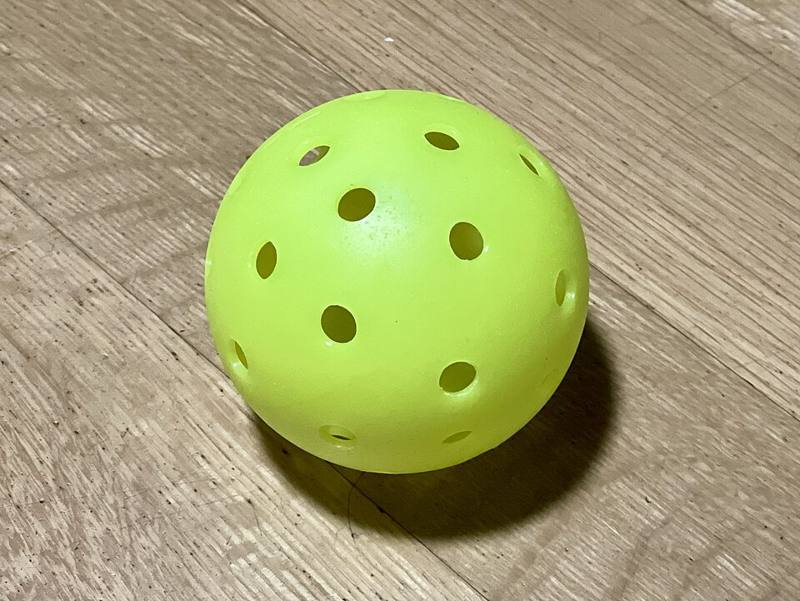 RulesThe drop serve explainedIn a drop serve you let the ball fall and bounce, then hit it. The usual motion limits of the volley serve do not apply, which makes it a great option for beginners and for anyone who struggles with the standard serve.
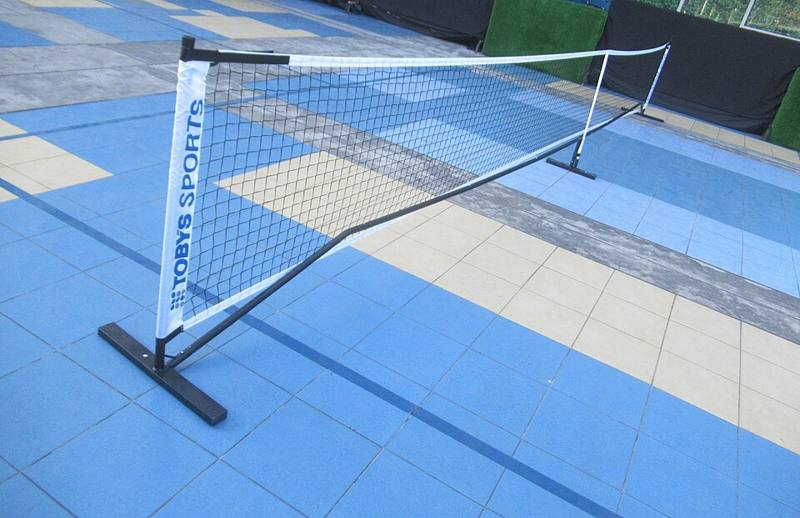 RulesThe kitchen (non-volley zone) rulesYou can stand in the kitchen any time, but you cannot volley while touching it, including the line, and momentum from a volley cannot carry you in. Here is every kitchen rule with examples.
 RulesThe two-bounce ruleThe serve must bounce before it is returned, and the return must bounce before it is hit again. After that, anything goes. This one rule shapes how every point starts.RulesTimeouts, game length and match formatGames to 11, 15 or 21, win by two, when to change ends, and how many timeouts you get. A clear guide to match format and time-outs based on the 2026 USA Pickleball rulebook, with tips for using a timeout well.
RulesFaults explainedA fault is any rules violation that ends the rally. Here is a complete plain-English list of pickleball faults, what happens after one and the tricky edge cases.RulesHinders, dead balls and replaysA stray ball rolling onto your court is a hinder, and the rally is replayed. Learn what counts as a hinder and what does not, when a ball becomes dead, and the other situations where pickleball calls for a do-over.RulesHow to call the scoreDoubles uses three numbers, singles uses two, and rally scoring changes the call again. Learn what each number means, why games start at 0-0-2, and how to fix a wrong call without arguing.RulesLine calls and the honor systemWho calls the lines, what counts as in, why a ball touching a line is good except the kitchen line on a serve, and how to make fair calls in recreational play.RulesRally scoring explainedWith rally scoring a point is won on every rally, no matter who served. Learn how it differs from side-out scoring, why pro events and leagues use it, and how freezes and score calls work.RulesServe rules explainedThe serve is underhand, diagonal and must clear the kitchen. Here are the requirements for the standard volley serve, where your feet must be, and the serving faults that catch beginners.RulesSide-out scoring explainedIn traditional pickleball scoring only the serving team can win a point, and doubles scores are called as three numbers. Here is how it works, with a worked example of a full service sequence.RulesSingles rules and how they differSingles uses the same court, serve, two-bounce and kitchen rules as doubles, with a simpler two-number score and server positions decided by the server's own score.RulesThe drop serve explainedIn a drop serve you let the ball fall and bounce, then hit it. The usual motion limits of the volley serve do not apply, which makes it a great option for beginners and for anyone who struggles with the standard serve.RulesThe kitchen (non-volley zone) rulesYou can stand in the kitchen any time, but you cannot volley while touching it, including the line, and momentum from a volley cannot carry you in. Here is every kitchen rule with examples.RulesThe two-bounce ruleThe serve must bounce before it is returned, and the return must bounce before it is hit again. After that, anything goes. This one rule shapes how every point starts.RulesTimeouts, game length and match formatGames to 11, 15 or 21, win by two, when to change ends, and how many timeouts you get. A clear guide to match format and time-outs based on the 2026 USA Pickleball rulebook, with tips for using a timeout well.